Marie Reed Elementary Music Program
ECE–Grade 5 | 2026–2027
Explore • Perform • Create • Connect
Sandra Granobles | Music Educator
Our Music Program
Students from ECE through Grade 5 develop musicianship through active participation.
They learn to:
Listen • Sing • Move • Play • Create • Perform • Connect • Reflect
Our program combines hands-on music learning with global and folk music traditions, keyboard exploration, classroom instruments, ensemble work, and interactive technology.
Learning is guided by the Global Folk Music Pathways™ framework developed by music educator Sandra Granobles.
What Music Looks Like by Grade Band
ECE — PreK3 & PreK4
Discover• Move • Sing • Image
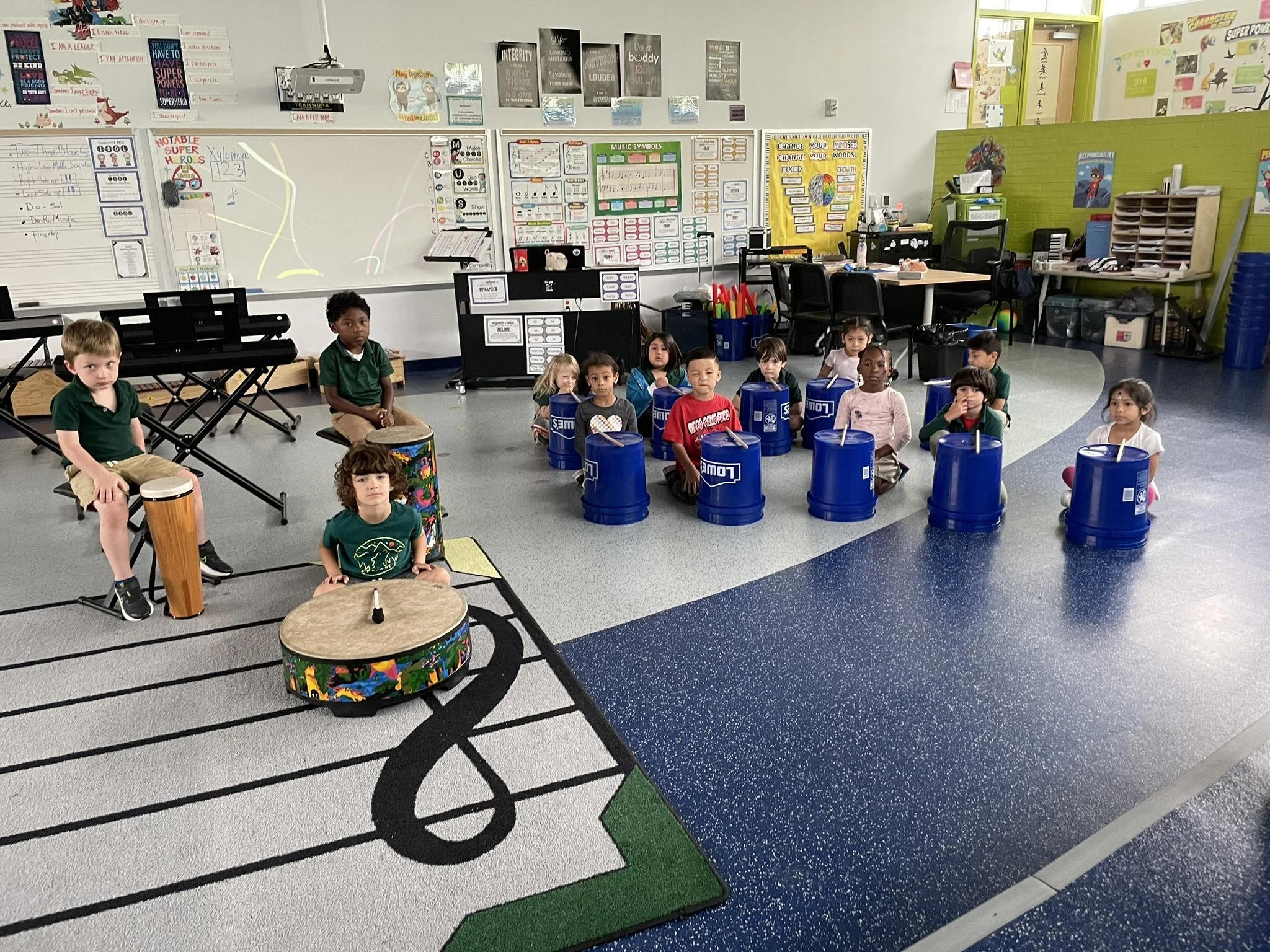
Our youngest learners are introduced to music through play, movement, and imagination — building foundational musical skills through joyful, developmentally appropriate experiences.
Keeping a steady beat through clapping, stomping, and movement games
Singing simple songs and call-and-response patterns
Exploring loud/soft, fast/slow, and high/low sounds
Playing classroom percussion instruments
Moving to music through creative and structured activities
Listening to music from diverse cultures and communities
Exploring basic music concepts through storytelling and play
Building vocabulary for talking about music
Kindergarten–Grade 2
Explore • Wonder • Perform • Create • Connect
Students develop:
Rhythm and steady beat
Melody
Musical form
Tempo and dynamics
Singing skills
Percussion and xylophone playing
Beginning keyboard exploration
Call-and-response
Simple composition and improvisation
Music from cultures around the world
Focus: Building foundational musicianship through active participation.
Grades 3–5
Perform • Collaborate • Compose • Create
Students expand their musicianship through:
Keyboard skills
Melody, chords, bass, and rhythm
Instrumental ensemble work
Vocal music
Music notation
Improvisation
Composition
Global repertoire
Technology-supported music creation
Collaborative performances
Focus: Independence, creativity, ensemble skills, and musical expression
Our Musical Journey Around the World
Throughout the year, students explore music through five interconnected pathways:
Rhythm & Community
How does music bring people together?
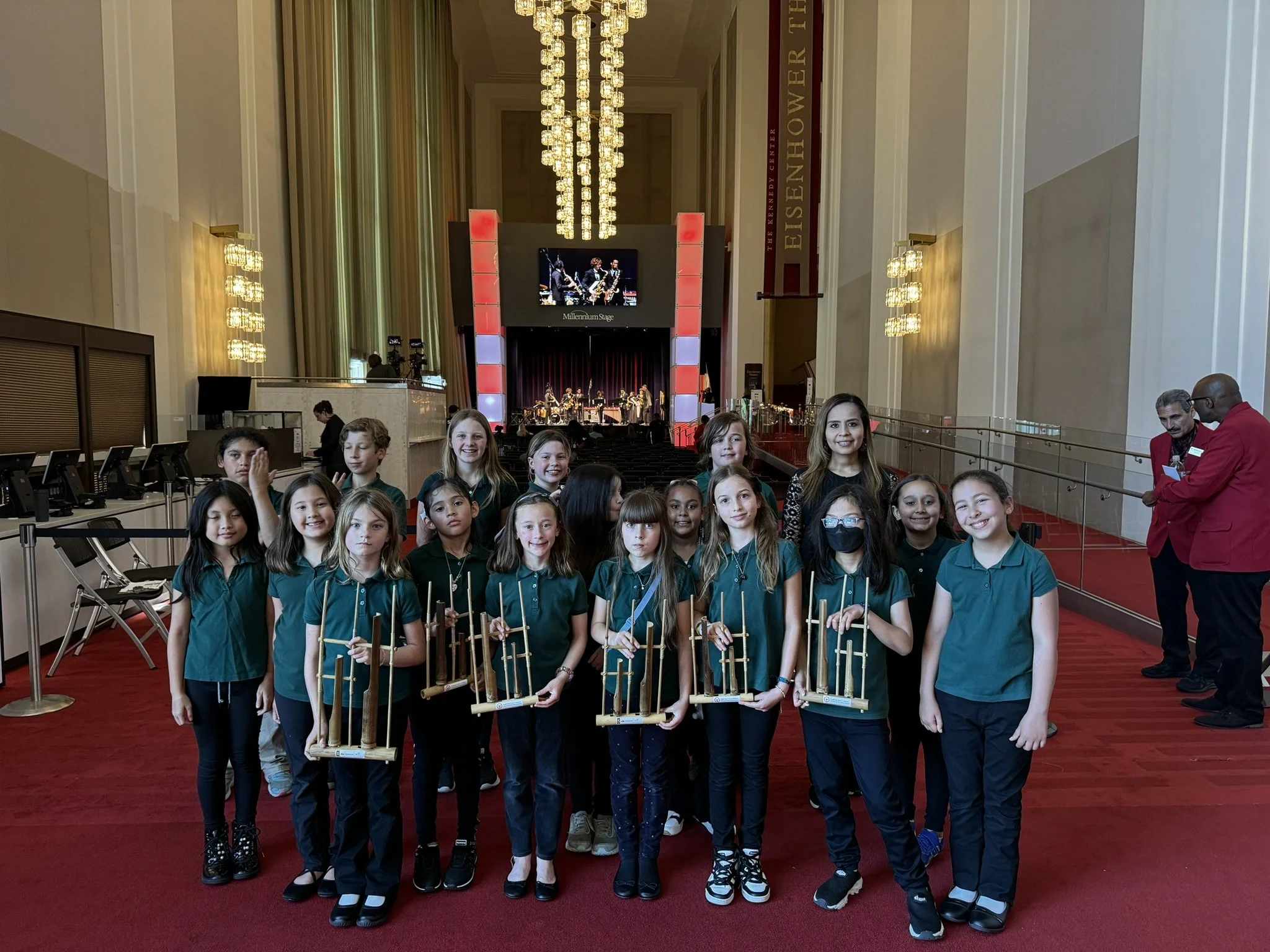
Sound, Nature & Balance
How can sound connect us with the natural world?
Music, Story & Movement
How can music communicate stories and ideas?
Music & Landscape
How does place shape musical traditions?
Identities & Community
How does music express who we are?
Students encounter music connected to Africa, the African Diaspora in Latin America and North America, Indigenous cultures of the Americas, Asia, the Pacific, and the many cultures represented in our own school community.
Quaver Music K-2
This year, students will also use Quaver Music, an interactive digital music-learning platform that supports classroom instruction through:
Songs • Games • Rhythm • Melody • Listening • Music Literacy • Creativity
Quaver complements our hands-on music instruction. We use technology to reinforce musical concepts while students continue to sing, move, play instruments, collaborate, and create music together.
Soundtrap 3-5
Grades 3–5 — Soundtrap & Music Production: Students will explore the basics of digital music production by creating original compositions, experimenting with loops, beats, recording, arranging, and simple audio editing. They may design their own ringtones, build short musical projects, and create original pieces inspired by their cultural heritage, family traditions, and personal musical identities.
Keyboards - Pianos
Grades K–2: Students will identify notes of the pentatonic scale and begin performing simple melodies using color-coded notation, building early music-reading, keyboard, and instrumental skills.
Grade 3-5-2: Students gradually develop keyboard skills through melodies, rhythmic patterns, bass lines, chords, improvisation, and ensemble performance. Rather than approaching every keyboard experience as a traditional individual piano lesson
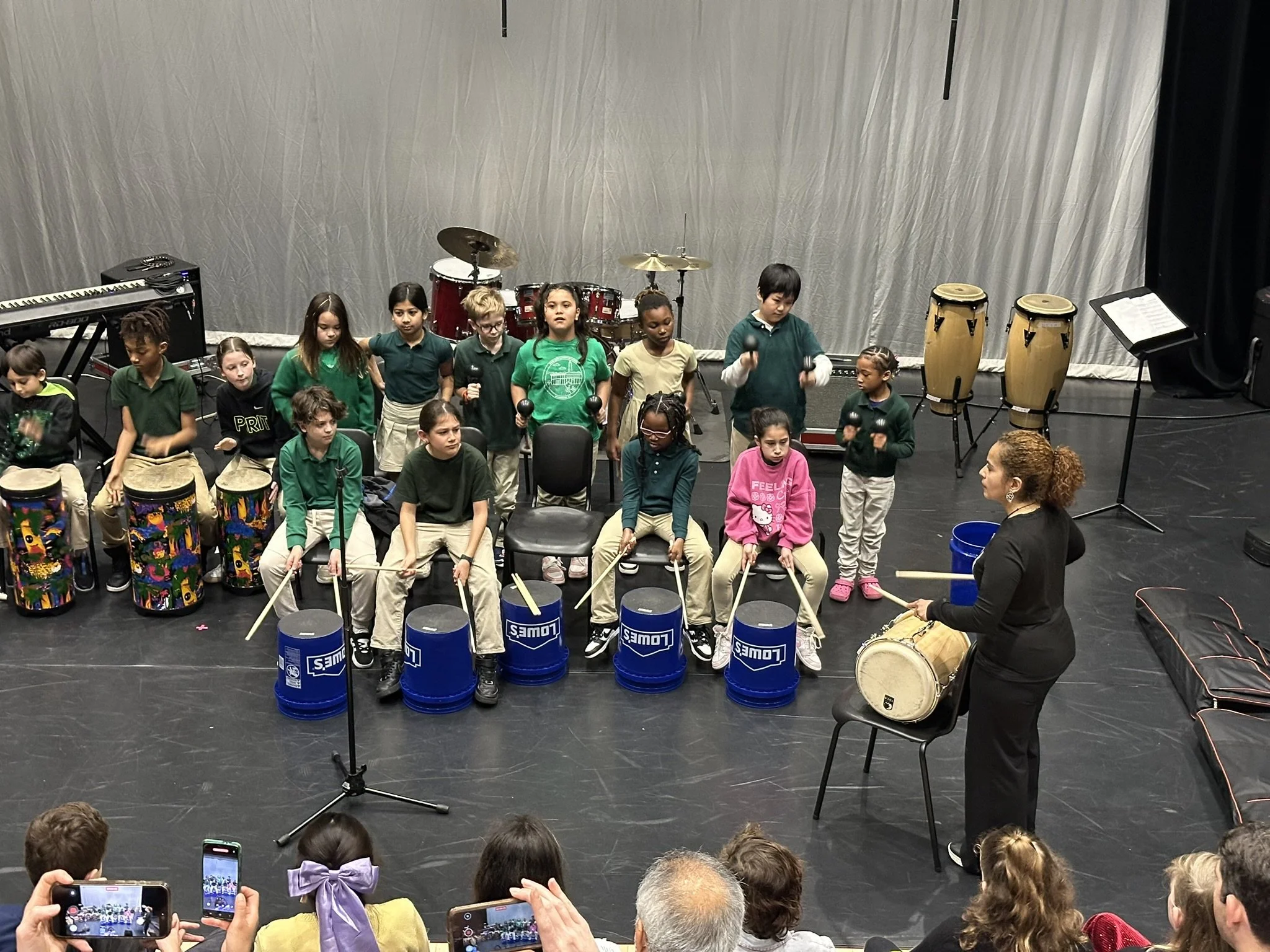
Music Club Instrumental and Vocal Ensemble
Grades 3–5 Instrumental & Vocal Ensemble
October 2026–January 2027
Tuesdays | 3:30–4:50 PM
January - June
Tuesdays and Thursdays | 3:30–4:50 PM
Students may participate in:
Voice
Keyboards
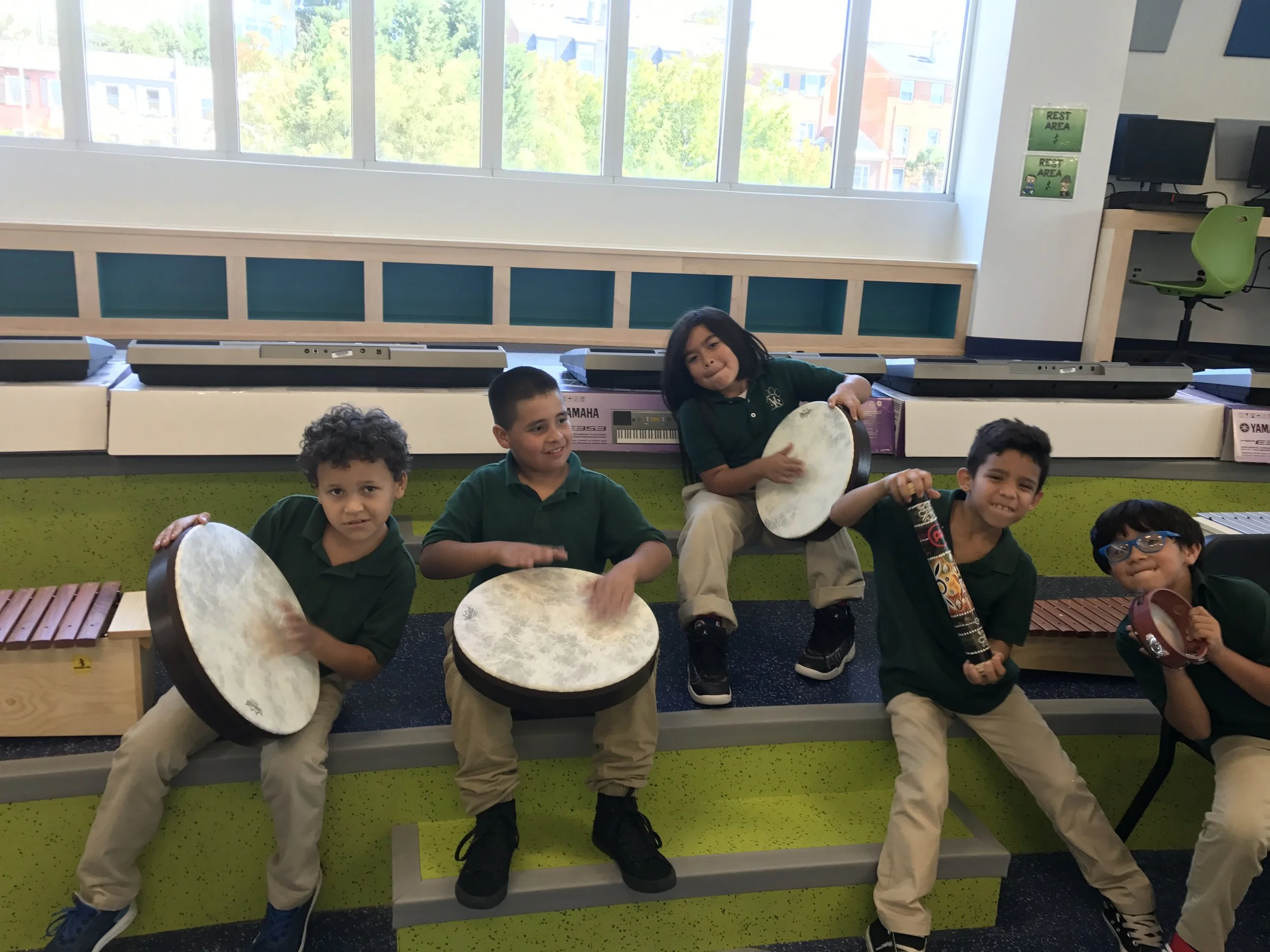
Percussion
Classroom instruments
Global repertoire
Ensemble performances
Students who enjoy singing, playing instruments, collaborating, and performing are invited to participate. Previous instrumental experience is not required.
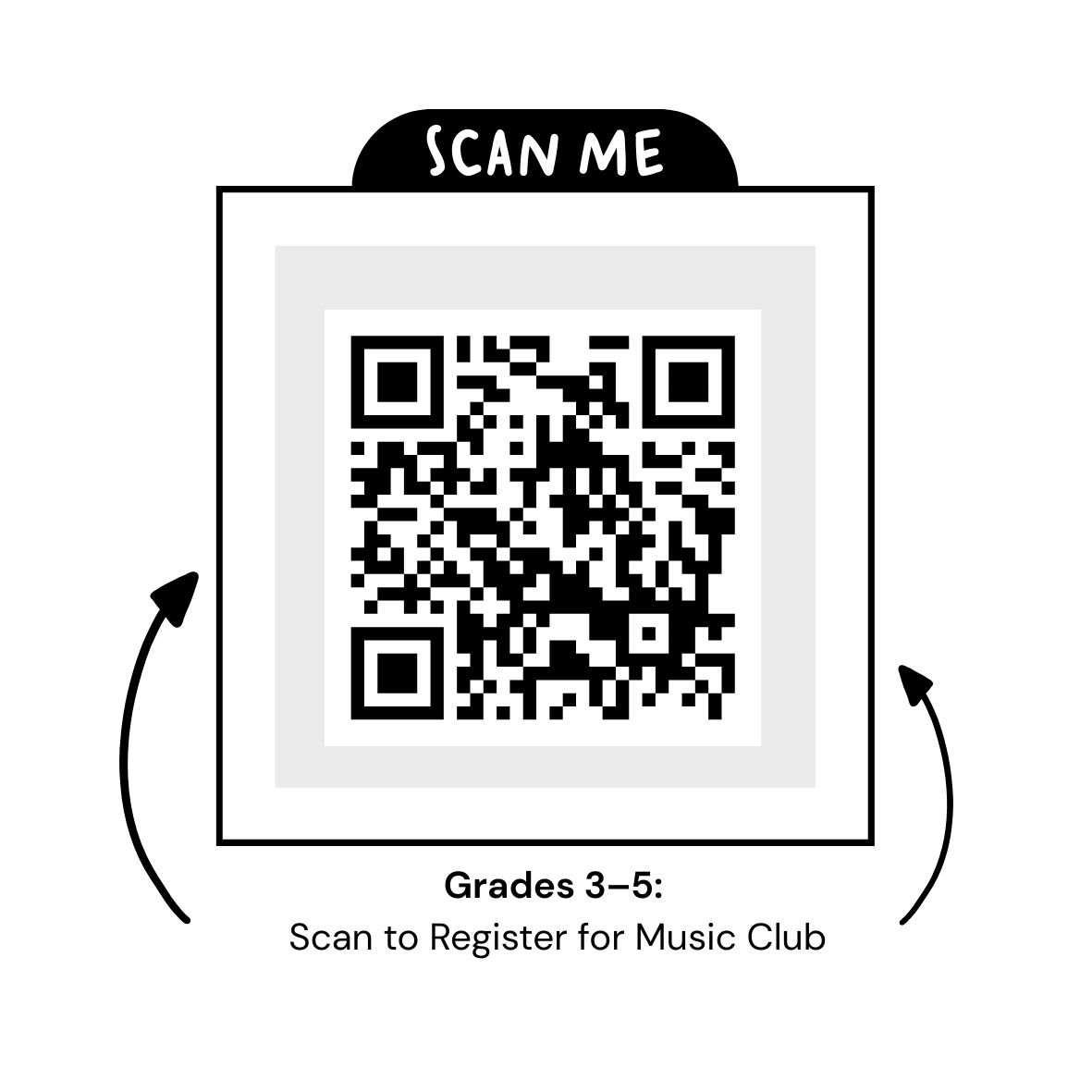
Register for Music Club
How We Learn
Create
What musical idea can I invent?
Connect
How does this music connect to people and places?
Reflect
What did I discover?
Wonder & Explore
What do I notice? What do I wonder?
Listen
What do I hear?
Perform
Can I sing it, play it, or move to it?
Music Beyond the Classroom
Music Beyond the Classroom
Students may experience music through:
Cultural celebrations at the School
Local and international guest artists at the School
DCSP All City Chorus
DCPS Performing Arts Festival
Community partnerships
Music Club: Instrumental and vocal ensemble
Potential Scholarships from Children's Chorus of Washington, DC
This Year in Music
Fall
Rhythm • Community • Hispanic Heritage • Ensemble Launch
Winter
Global Traditions • Keyboard Ensemble • Performance
Spring
Composition • Cultural Connections • Performances • Student Projects
FAMILY CORNER
How families can support music learning
Ask your child what music they explored this week.
Remind them of the expectations of our
Strong Music Star:
Listen Well
Pay attention to the details.
Follow directions/Conduction
Do your best
Participate and
Never Give Up
Listen to music together
Encourage singing and movement at home.
Celebrate musical traditions from your family and community.
Encourage consistent participation in rehearsals and performances.
Visit this page, the YouTube Marie Reed Music Channel, Padlet, and Canvas throughout the year for music program updates.
Contact
Questions about Music?
Sandra Granobles
Music Educator
Marie Reed Elementary School
Email: sandra.granobles@k12.dc.gov